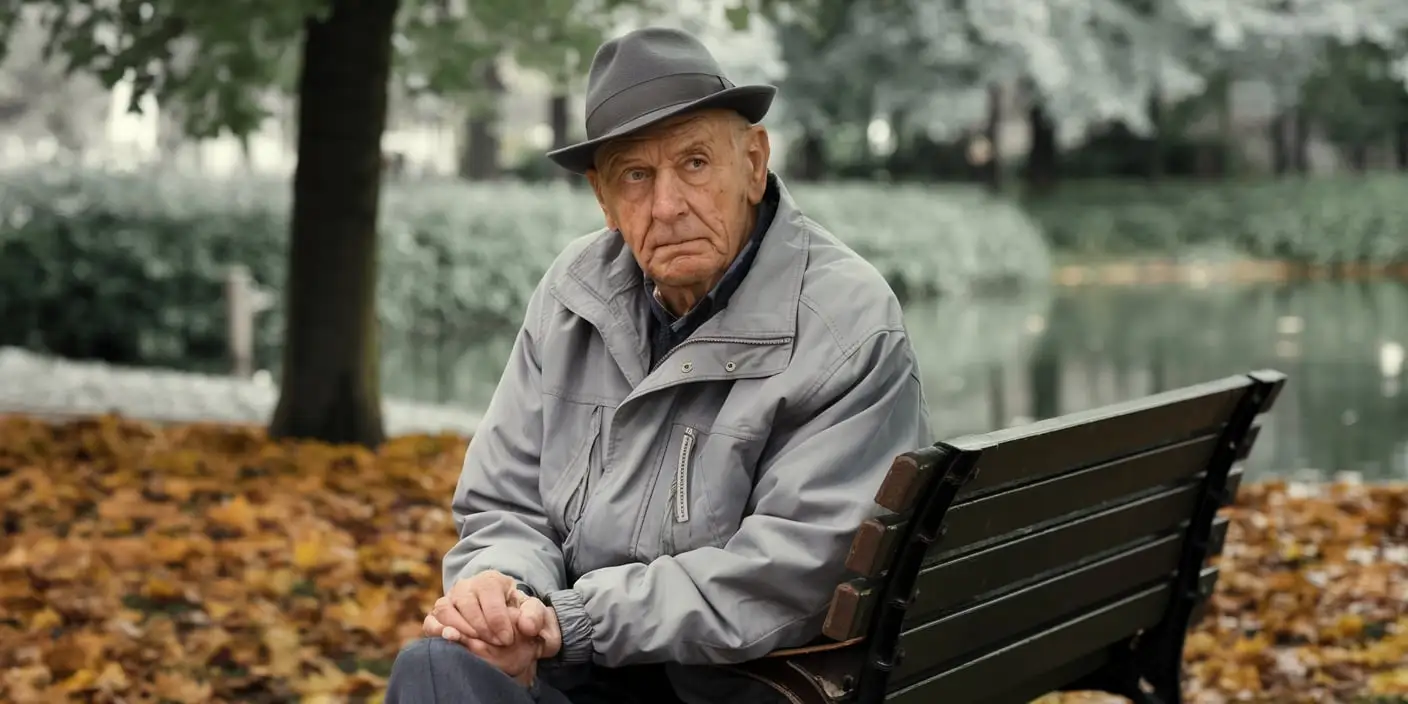
For an elderly person without caregivers, the future can hold both challenges and possibilities. Loneliness, health risks, and financial strain may loom.
With community support, available resources, and a bit of luck, they can age with dignity and even find joy in independence.
An article in The Observer reported that “The number of Americans living alone has more than doubled since 1960, when just 1 in 8 households consisted of someone living by themselves, according to a federal report last year.“
The Reality of Elderly Living Alone
As people get older, what they think of as ‘home’ can change, especially for older people who don’t have family or someone to take care of them.
These people are often called ‘elder orphans.’
Continuation of Living Independently
Many older people decide to keep living on their own. This decision helps them stay independent, but it also comes with big challenges.
Their homes, which used to be cozy and safe, can become full of dangers.
As people get older, they might not move as easily, see as well, or do simple things without trouble.
This makes it easier for them to fall, which is a common way older people get hurt, especially when they’re alone.
To make their homes safer, many older adults make changes and use technology.
They might put grab bars in the bathroom, use mats that don’t slip, and make sure their homes are well-lit. They also use emergency systems and medical alert gadgets.
These tools are really important because they help keep the elderly safe and give them and their friends or family who live far away a sense of security.
Transition To Assisted Living Or Nursing Homes
For some older people, the difficulties of living by themselves mean they need to move to places like assisted living facilities or nursing homes.
These places give a mix of freedom and help. They assist with everyday tasks but also let the residents have their independence.
But deciding to move can be hard because of feelings and money matters.
Leaving a home where they’ve lived for a long time, getting used to a new place, and the expense of these facilities all big issues that affect this decision.
Navigating Conservatorships
Sometimes, when an older person can’t make good choices about their care or money, they might need something called a conservatorship. This is a bit complicated.
In a conservatorship, a court chooses someone or a group to handle the older person’s affairs.
This helps keep them safe, but it also brings up concerns about their independence and the chance that the person in charge might not use their power correctly.
Because of this, it’s really important to watch these situations closely and make sure the rights of the older person are protected.
Challenges Faced by Elderly Without Caregivers
Older people who live without someone to take care of them face many different problems that can really affect how good their life is.
These problems are not just about their physical health, but also about how they feel mentally and emotionally.
Increased Risk of Medical Emergencies and Accidents
One big worry for older people living by themselves is the chance of getting hurt in emergencies, especially from falling.
The bathroom is usually the most dangerous place in the house for older people because it’s easy to slip and fall on wet floors.
Even if there are safety things like grab bars and mats that don’t slip, there’s still a big risk.
Falling can cause really bad injuries like broken bones or head injuries, and these can make it much harder for an older person to live on their own.
I personally recommend the use of an assistive device like Alexa for every room of the house. This way, if someone falls, they can simply use their voice to call for help.
Managing Chronic Conditions and Medication
Another big problem is taking care of long-term health issues and keeping track of medicines.
Older people living alone might have trouble taking their medicine the right way. They could take too little or too much, and both can be really bad for their health.
Also, dealing with ongoing health problems like diabetes, high blood pressure, and arthritis needs regular check-ups and care. This can be tough for someone who lives by themselves.
Loneliness, Isolation, and Mental Well-being Decline
One of the biggest but sometimes forgotten problems is how living alone can affect someone’s mind and feelings.
Feeling lonely and cut off from people can make mental health worse. This can show up as feeling really sad (depression), worried (anxiety), or having trouble thinking clearly.
Not having much social contact or emotional support can make these feelings even stronger. This shows how important it is for older people to be part of a community and have a network of people who support them.
Planning and Preparing for Old Age Without Family
For a lot of older people who don’t have a family to help them, it’s really important to plan for the future. This helps make sure they are safe and happy in their later years.
This planning covers everything they need to think about, from everyday practical things to how they feel emotionally.
Organizing Personal Affairs and End-of-Life Wishes
One of the first things older people need to do in planning for the future is to get their personal stuff in order.
This means taking care of legal papers like wills, instructions for healthcare, and choosing someone to make decisions for them if they can’t (power of attorney).
It’s really important for older adults to write down what they want for their care when they are very old or sick, and who should get their things when they pass away. This helps prevent any problems or confusion later on.
Building and Strengthening Social Bonds
Another important part of getting ready for the future is making friends and connections.
Older people are advised to get involved with their community, go to local events, and join clubs or groups that they like.
Making these friendships can create a support group that can take the place of family. This means they can have people who give them emotional support and help with things they need.
Exploring Housing Options: Joint Households and Other Alternatives
As people get older and their ability to move around changes, it’s important to think about where they live.
They might decide to live with other older people in the same house, or move to a place that’s made for seniors.
These choices are good because they give older people friends to be with and make it easier to get services that are just for them.
Financial Planning and Health Care Considerations
Another really important thing is planning for money, especially for health care.
Older people need to look at their money situation and find out about any benefits or help programs they can use.
They also should know how much different kinds of living and care options cost, like getting help at home or living in a place that provides assistance.
Support Services and Programs for Senior Care
Older people who don’t have someone to take care of them usually need extra help to keep their life good and stay independent.
Luckily, there are a lot of services and programs made to help these older people in different parts of their lives.
Community Resources: Senior Centers and Volunteer Programs
Local places in the community are really important for helping older people.
Senior centers have lots of things to do, like social events and health services. This gives older people a chance to be part of their community.
Also, there are volunteer programs where people can spend time with older adults and help them with daily stuff. This helps the older people feel less lonely and isolated.
Government and Non-Profit Assistance
Government programs and groups that don’t aim to make a profit have different kinds of help for older people.
This help can be things like healthcare that costs less, money help, services that bring meals, and more.
Older adults can get to these resources through local places or big national programs. This makes sure they get the help they need for their living and health care.
Professional Care Options: In-Home Care, Daycare, and Respite Care
For older people who need a lot of help, there are professional care choices.
Services that provide care at home let seniors get the care they need while they stay in their own homes.
Daycare programs for older adults offer a safe place to be during the day, with different activities and chances to meet people.
Respite care is different. It’s for giving a short break to those who might have caregivers or volunteers sometimes. This makes sure the older person always has the support they need.
Legal and Financial Considerations for Elder Orphans
Older people who live without help from family members have special legal and money problems.
It’s really important to deal with these issues to make sure their rights are safe and their needs are taken care of.
Understanding Power of Attorney and Guardianship
One of the key legal things older people without family support need to do is set up a Power of Attorney (POA).
This legal paper lets seniors choose someone they trust to make choices for them, especially about money and health care.
In the same way, if an older person can’t make their own decisions anymore, someone can be named as their guardian.
These legal steps are really important to protect the rights and well-being of older adults.
Healthcare Proxies and Advance Directives
Healthcare proxies and advance directives are also really important.
These papers say what kind of medical care someone wants, especially for care at the end of their life. They also let someone pick a trusted person to make health care decisions for them if they can’t do it themselves. This makes sure that their medical choices are known and used.
Financial Assessment and Benefit Exploration
Financial planning is another big thing to think about.
Older people need to really look into their money situation, like where they get money from, what they have saved, what they’ve invested in, and what they spend.
Knowing all about their money helps them plan for long-term care and costs that come with getting older.
Also, finding out about benefits they can get, like Social Security, Medicare, Medicaid, and other programs from the government or community, can give them important financial help.
Navigating Dementia Care for Elders without Family
Older people who have dementia have special problems, especially if they don’t have family to help them.
Taking care of someone with dementia needs a careful and complete plan to make sure they are safe, comfortable, and treated with respect.
Also know that at some point during the progression of dementia or Alzheimer’s disease, it may not be viable (may not be safe) for a senior person to continue living alone.
Housing Options and Financial Planning
Choosing where to live is a really important decision for older people with dementia.
They can pick from places that are specially for people with dementia, where they get professional care in a well-organized setting, or they can live in assisted living places that are good for people with dementia.
Money is a big part of this choice because special care can be expensive. Planning money matters ahead of time, looking into insurance, and finding government help programs are key steps to getting the right care.
Establishing a Care Team and Support Network
Creating a team to care for someone with dementia is really important.
This team can have doctors, nurses, social workers, and caregivers who know a lot about dementia.
Support groups, like local Alzheimer’s associations or other groups, give extra help and emotional support.
Legal Considerations: Power of Attorney and Healthcare Directives
Legal matters are really important for people with dementia.
Setting up a Power of Attorney and healthcare instructions early on, when they’re first diagnosed, is key. This lets them make choices about their care and money while they still can.
These legal steps make sure that what they want is followed as their dementia gets worse.
Community Involvement and Awareness
Lastly, getting the community involved and making people aware is really important for helping older people with dementia who don’t have family support.
Creating a community that understands dementia, where local shops and neighbors know about and care for the needs of people with dementia, can really make life better for these older adults.