When it comes to safety in the kitchen, many families ask the same question: should seniors use a kitchen stool? The answer depends on the type of stool, the person’s balance, and how it is used.
A kitchen stool can make cooking easier, but it can also increase the risk of falls if it is the wrong kind or set up poorly.
I’ve seen both sides of this question in real life. My neighbor Carol used a perching stool every evening so she could chop vegetables without back pain.
On the other hand, my friend’s father slipped while climbing a step stool without a handrail to reach a shelf. These two experiences showed me how important it is to choose wisely.
Quick Rundown: Should Seniors Use a Kitchen Stool for Safety and Comfort?
- Prioritize Stability: Look for stools with a wide, non-slip base to reduce tipping risks.
- Choose Proper Height: Stools should match counter height so seniors don’t have to stretch or perch uncomfortably.
- Add Backrests & Armrests: Supportive features make sitting safer and standing up easier.
- Consider Step Stools with Handles: For reaching higher shelves, choose models with sturdy rails to hold onto.
- Avoid Swivels & Wheels: These increase fall risk and should generally be avoided in senior kitchens.
- Safer Alternatives: Rolling kitchen chairs, adjustable-height chairs, or reorganizing storage may remove the need for stools altogether.
Now let’s explore the benefits, risks, and safer alternatives when it comes to kitchen stools for older adults. risks, and practical alternatives so you can decide with confidence.
Why Seniors Think About Kitchen Stools
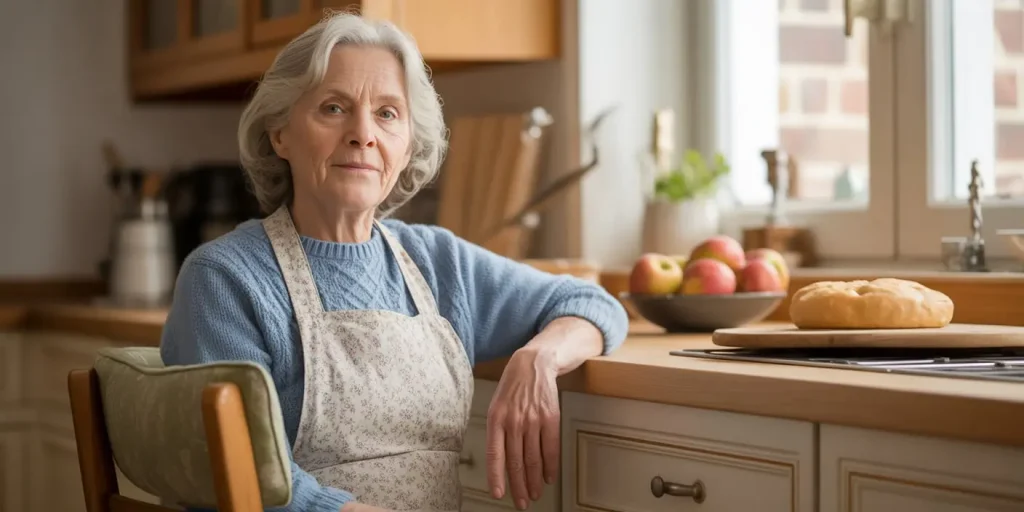
Many older adults get tired standing at the counter, especially during long meal prep. Others want to reach shelves or cabinets that feel just out of reach. For caregivers, the worry is clear: a stool might help with independence, but it can also bring fall hazards if not chosen carefully.
Should Seniors Use a Kitchen Stool?
This is the heart of the question. The answer is yes, but with conditions.
- Safe: a perching stool used at the counter to reduce fatigue, hip pain, or standing intolerance.
- Risky: a step stool, even with a wide step surface, unless it has a strong integrated handrail, anti-slip feet, and is fully locked open.
The choice depends on what problem the stool is solving, long periods of standing or reaching higher places.
When a Perching Stool Is a Safe Solution
A sit-to-stand perching stool is built for comfort at counter height. It allows you to lean or sit while still reaching the work surface.
Key features to look for:
- Forward-sloped seat that supports your hips.
- Height set so your elbows rest at counter level (elbow-at-counter height, usually 34–36 inches).
- Wide, rubber-tipped feet that grip even, level flooring.
- Armrests or back support for easier transfers.
From my experience helping a family friend after hip surgery, the perching stool made a big difference. She could cook for ten minutes at a time, then rest on the stool without bending awkwardly. It gave her independence while keeping her safe.
❓ What is the safest stool height for seniors in the kitchen?
💬 The safest stool height is one that allows your elbows to rest comfortably at counter level, usually 34–36 inches for most counters. Both feet should stay flat on the ground, and the stool should never feel too tall or too low, which can cause strain or instability.
The Hidden Risks of Step Stools
Even the strongest and most confident older adult can lose balance when stepping up, especially in a busy kitchen. That’s why it’s important to take a closer look at the real risks step stools bring before deciding to use one.
❓ Are step stools safe for seniors?
💬 In most cases, no. Step stools are meant for climbing, and even a single step can create a serious fall risk for someone with balance or vision issues.
If a step stool must be used, it should have:
- A tall safety rail or top bar.
- Wide anti-slip treads.
- Rubber feet that won’t slide on smooth floors.
- A locking mechanism so it stays fully open.
Chairs should never be used as step stools. A sturdy folding step ladder with a handrail is safer, but the better choice is often avoiding climbing altogether.
❓ How often should I inspect a kitchen stool for safety?
💬 Check your stool every month for cracks, loose screws, worn-out rubber tips, or wobbly legs. If you notice any damage, replace it right away. Regular inspections keep the stool safe and reduce the chance of sudden accidents.
Smarter Alternatives to Climbing
You don’t always need a step stool. Here are safer options:
- Store daily-use items at waist height.
- Use a long-handled reacher before reaching for a stool.
- Rearrange shelves so heavy pots and pans are not overhead.
- Ask a caregiver for help with seasonal or rarely used items.
These changes may feel small, but they eliminate the need to climb.
Beyond Stools: Extra Kitchen Safety Layers
A kitchen stool is only one piece of the safety puzzle. Other risks deserve just as much attention:
- Fire and burn prevention: Keep dish towels away from the stovetop, and test smoke detectors monthly.
- Lighting: Add bright, even lighting. Task lights under cabinets or motion-sensor lights for early morning help prevent trips.
- Floors: Remove throw rugs, use non-slip mats near the sink and stove, and wipe up spills right away.
- Storage safety: Keep medications, cleaners, and knives stored safely at reachable height, labeled clearly.
Ergonomic Tools and Senior-Friendly Appliances
Stools are only one piece of the puzzle. The right kitchen tools and appliances can make everyday cooking safer, easier, and far less tiring for seniors.
❓ Besides stools, what can make the kitchen easier and safer?
💬 Lightweight cookware, ergonomic utensils with easy-grip handles, and rolling carts can reduce strain. Appliances with large dials or push-button controls are more ADA-friendly for older adults. Some families use rolling chairs with locking wheels for meal prep, though only if space allows.
❓ Can a rolling stool or chair be safe for seniors to use in the kitchen?
💬 Rolling stools or chairs are usually not safe in the kitchen because they can move unexpectedly. If one is used, it must have locking wheels and only be used in a wide, open kitchen. Fixed stools with non-slip feet are safer.
Emotional Comfort Matters Too
Safety is important, but so is how the kitchen feels. Adding calming colors, photos, or playing soft music can make the kitchen inviting rather than intimidating.
I once visited a patient who kept framed photos near her counter. She told me they made her feel like she still had company while she prepared meals, especially after her husband passed. Small touches like these can make the kitchen both safe and emotionally supportive.
❓ Are there kitchen stools made specifically for seniors?
💬 Yes, there are perching stools designed for older adults. These often have forward-sloped seats, padded cushions, and armrests for easy transfers. Many models adjust in height to match your counter and have wide, durable bases for stability.
Practical Safety Tips
Create a simple checklist before using any stool:
- Is the stool stable, locked, and free of cracks?
- Are all four legs flat on an even floor?
- Is there a clear path with no rugs, pets, or clutter?
- Is someone nearby if balance is impaired?
Alternating between sitting, perching, and standing helps with fatigue management and reduces postural sway during meal prep.
When to Say “No” to Kitchen Stools
While stools can be helpful in the right setting, they aren’t safe for everyone. Knowing when to skip them altogether can prevent serious accidents and give families peace of mind.
❓ Who should avoid stools in the kitchen altogether?
💬 Seniors with frequent falls, poor balance, or vision problems should not use stools. Small kitchens with tight spaces or uneven floors also make stools unsafe. For loved ones with dementia or memory issues, stools can add confusion and danger.
Professional Recommendations
Healthcare guidance in 2025 is clear:
- Perching stools are helpful for recovery from hip or knee problems and for energy conservation.
- Step stools should be avoided unless absolutely necessary and only if they have a sturdy safety rail and anti-slip design.
- Occupational therapists often include stool use in a broader kitchen safety plan with pacing, cabinet re-organization, and clutter control.
Conclusion
The answer to “should seniors use a kitchen stool” is not one-size-fits-all. A well-chosen perching stool with the right height and features can extend independence and comfort.
A poorly chosen step stool can shorten it with one fall. By pairing the right stool with safe kitchen practices, good lighting, non-slip flooring, ergonomic tools, and clear storage, you can keep the kitchen both safe and supportive.