When families ask me “Is Google Home good for seniors?” the short answer is yes, but with some important cautions.
Google Home and Google Nest devices can make life safer, easier, and even less lonely for older adults, but only if you know which features to use, which products to avoid, and how to set them up for success.
Quick Rundown: Is Google Home Good for Seniors’ Independence and Safety?
- Hands-Free Help: Voice commands let seniors control lights, thermostats, and appliances without getting up.
- Medication & Appointment Reminders: Custom alerts keep track of schedules and daily routines.
- Emergency Assistance: Seniors can use voice to call family, neighbors, or emergency services when needed.
- Entertainment & Companionship: Music, news, audiobooks, and conversation features reduce isolation.
- Smart Home Integration: Google Home connects with devices like smart plugs, locks, and cameras for added safety.
- Easy Customization: Caregivers can set routines and preferences to simplify daily living for older adults.
Now let’s explore how Google Home can make life easier, safer, and more connected for seniors and their caregivers.
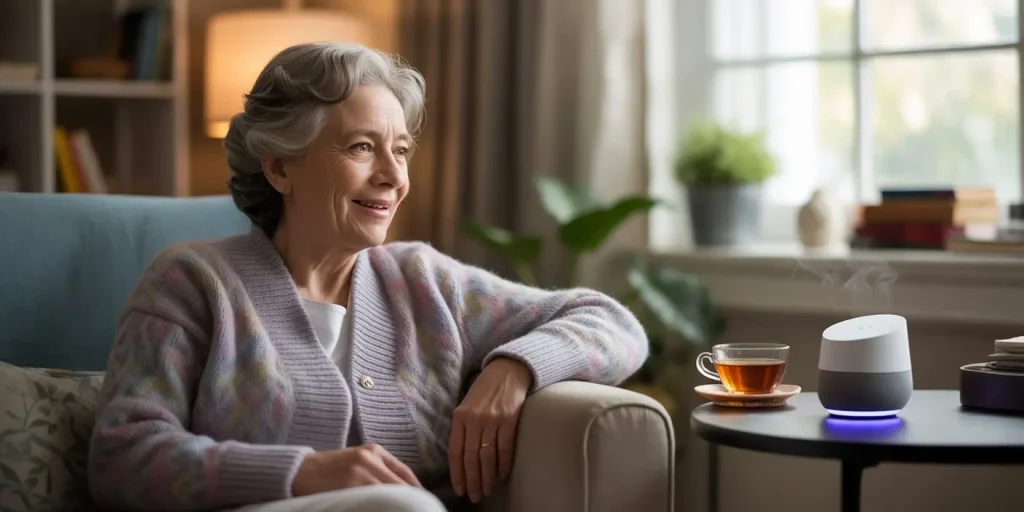
Why Families Ask: Can Google Home Really Help Seniors?
When you’re caring for an older loved one, two things matter most: keeping them safe and helping them stay independent. Families often wonder if smart home technology can take some of the worry off their shoulders.
Could a simple voice command lock the front door at night, turn on the hallway light, send an alert if there’s smoke, or even let Grandma see the grandkids on a video call?
At the heart of it, the real question isn’t about gadgets at all. It’s about giving families peace of mind and helping seniors feel confident and connected in their own homes.
Pairing Google Home with fire safety equipment for the home adds another layer of protection for older adults aging in place.
What Changed in 2025 (and Why It Matters for Seniors)
- Gemini for Home replaces Google Assistant. This new system allows more natural commands like, “Turn the living room lights halfway after sunset unless I’m not home.” The transition is still happening, so glitches and slow responses are common.
- Simplified Home app. Seniors now see big square Favorites tiles to lock doors, check the Nest Doorbell, or adjust the Nest Thermostat with one tap. Faster camera feeds and event summaries make it easier for caregivers to monitor.
- Hardware lifecycle updates. Google discontinued the Nest Hub Max in May 2025. Support for older Nest Learning Thermostats (1st and 2nd generation) ends October 25, 2025. Families should avoid investing in discontinued or unsupported devices.
❓ Can seniors keep using older Nest devices in 2025?
💬 Some can, but Google is phasing out support for certain products like the first and second generation Nest Learning Thermostat. Once support ends, they lose app access and features, so it’s best to choose newer, supported devices.
Is Google Home Good for Seniors?
Yes, when set up correctly, Google Home can help seniors remain independent while offering caregivers reassurance. Here’s why:
- Voice Commands and Routines: Seniors can say “Goodnight” and the system will dim lights, lock the smart lock, and lower the thermostat.
- Safety Features: Nest Protect smoke and CO alerts, E911 emergency calling through Nest Aware, and proactive camera event captions help protect seniors living alone.
- Ease of Use: The redesigned automation editor, one-touch locking, and larger app buttons improve accessibility for those with vision or dexterity changes.
- Emotional Connection: Voice assistants can help reduce loneliness by offering a sense of companionship and consistent interaction throughout the day.
❓ Can Google Home call 911 directly?
💬 Not by itself. To access emergency calling, seniors need a Nest Aware subscription with E911, which routes the call to the nearest emergency center. Read more about this feature.
The Benefits Seniors Gain from Google Home
- Daily Independence: Seniors can manage lights, plugs, and thermostats by voice or by tapping one big tile on the Home app.
- Caregiver Peace of Mind: Camera daily summaries, faster notifications, and E911 integration let adult children respond quickly to emergencies.
- Accessibility Features: Large Favorites tiles, one-touch locks, and simplified controls reduce confusion.
- Emotional Well-Being: Research shows that voice assistants can reduce feelings of isolation and even act like a “friendly companion.”
- Entertainment and Engagement: Seniors can enjoy music, audiobooks, podcasts, trivia, or news briefings with a simple command.
- Easy Communication: Google Home allows hands-free voice calling or video chatting through compatible Nest displays.
- Voice-Activated Shopping Lists: Seniors can add items by saying “Add milk to my list” and see it in the app while shopping.
- Energy Savings: Automated thermostat scheduling helps maintain safe temperatures while lowering utility costs.
If you’re exploring broader smart tech solutions for seniors living independently, this guide covers practical tools that work alongside Google Home.
❓ Can seniors use Google Home without a smartphone?
💬 Yes, once the system is set up, seniors can use voice commands without a smartphone. However, initial setup, updates, and some features like shopping lists require a phone or caregiver support.
Personal Experience: I once helped a neighbor set up Google Home for her mother, who often forgot to lock the front door. We pinned a “Lock Door” tile to her Favorites screen, and she told me it gave her peace of mind every night.
The Limitations and Hidden Costs
- Subscription Costs: Many safety features, like 24/7 video history and E911, require a Nest Aware plan.
- Reliability Issues: During the Assistant to Gemini transition, some commands fail or respond slowly.
- Device Lifespan: The Nest Hub Max is no longer sold, and older thermostats will soon lose support.
- Setup Complexity: Seniors may find installation and pairing confusing. Family members should plan to provide setup help, printed instructions, and basic training.
❓ Is Nest Aware worth it for seniors?
💬 Yes, if safety and caregiver oversight are priorities. Nest Aware adds emergency calling, 24/7 video history, and event summaries, which are valuable for families supporting seniors at home.
Who Should Use Google Home in 2025
- Seniors who are comfortable speaking short commands.
- Families who want remote safety alerts and daily camera summaries.
- Homes already using other Google Nest products.
- Seniors who enjoy listening to music, audiobooks, or playing trivia.
- Caregivers who can help with setup and occasional troubleshooting.
Who Should Wait or Avoid It
- Seniors who need absolute reliability and can’t tolerate failed commands.
- Families not willing to pay for subscriptions.
- Those who need a large smart display today, since Hub Max is discontinued.
- Older adults with no one available to provide setup or training.
How to Set Google Home Up for Seniors
- Step 1: Pin Favorites tiles for locks, lights, cameras, and thermostat.
- Step 2: Create one-phrase Household Routines like “Good Morning” or “I’m Cold.”
- Step 3: Use smart locks with guest codes for aides and one-touch locking at bedtime.
- Step 4: Choose Matter-compatible devices for future flexibility.
- Step 5: Decide if the Nest Aware subscription is worth it for your safety needs.
- Step 6: Offer setup support. Provide printed how-to guides, demonstrate commands, and revisit settings together after a week.
❓ What’s the easiest way to train a senior to use Google Home?
💬 Start with one or two voice commands, like “Turn on the lights” or “Play music.” Build confidence slowly, and add more routines only after they feel comfortable.
Alternatives to Consider
- Amazon Alexa and Echo Show: Larger screen options and strong reliability.
- Apple Home: Great privacy, but more expensive and less flexible.
- Matter Devices: Work across Google, Alexa, and Apple ecosystems, giving families freedom to switch later.
Conclusion
Google Home can be an excellent support for seniors who want to live independently and safely at home. It provides practical help, like locking doors, controlling lights, and calling family, as well as emotional benefits like reducing loneliness and providing entertainment.
For families who take time to set it up correctly, choose supported devices, and invest in the right subscriptions, Google Home offers both safety and companionship.
If you’re just starting, begin small: set up one or two devices, test routines, and grow from there. Even small steps, like a morning routine or a voice call to family, can make a big difference in a senior’s daily life.