For some bathrooms, it may be necessary to make renovations to accommodate seniors who have difficulty getting around.
There are many options available, we’ve already discussed installing safety rails and shower alterations.
But some of the other modifications that you can consider are:
- Widening the doorway of the bathroom door.
- Replacing round door knobs with door lever models.
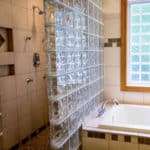
- Replacing a shower curtain with a glass door covered with a protective coating like this one. You can read about Glass Doors vs. Shower Curtains here.
- Replace countertops with sharp edges with ones that have rounded edges.
- Changing the countertop with sink to a model that accommodates a wheelchair for easy access or if your senior loved one needs to be in a seated position.
- Moving electrical outlets to higher locations so seniors don’t have to bend down as far.
- Installing lighting switches that are easier to access, such as those that use voice activation or pressure sensitivity.
- Replace low toilet seats with the newer comfort height toilets.
- Add additional lighting in the room.
- Replacing the bathtub with a walk-in tub.
- Installing an automatic faucet, so seniors don’t need to worry about turning them on or off manually.
These types of changes require some minor and major reconstruction but in the long run, they can truly help to keep seniors safe and comfortable in their own homes.
As a senior home safety specialist and retired occupational therapist, my mission is to help older adults maintain their independence and dignity.
One of the key areas I focus on is bathroom renovations to facilitate aging in place. This article will provide practical and helpful tips for creating a senior-friendly bathroom.
Understanding the Needs of Seniors
Seniors often face challenges in the bathroom due to mobility issues and limited physical strength. A bathroom designed without considering these factors can be one of the most dangerous rooms in the house for an elderly person.
Common Challenges
Older adults may struggle with slippery surfaces, high bathtubs, and poorly lit areas. These issues can lead to falls, which are a major health risk for seniors.
According to the Centers for Disease Control and Prevention, every year, 3 million older people are treated in emergency departments for fall injuries.
Essential Features of a Senior-Friendly Bathroom
Creating a safe bathroom for seniors involves several key elements, including safety features, accessibility, and comfort.
Safety Features
Non-Slip Mats
Non-slip mats are an easy way to reduce the risk of falls. They can be placed in the shower area and in front of the toilet for added safety.
Grab Bars
Grab bars provide support for seniors when they’re moving around the bathroom. They’re particularly useful near the toilet, shower, and bath.
Walk-In Showers and Bathtubs
Walk-in showers and bathtubs provide easier access for seniors. A walk-in tub, in particular, allows seniors to bathe without having to step over a high edge.
Accessibility Features
Height-Adjustable Sinks and Toilets
A raised toilet seat and adjustable sink can make a big difference for seniors with mobility issues.
Wheelchair Accessible Design
For wheelchair users, wider doorways and enough space to maneuver are crucial. A bathroom door should be at least 32 inches wide to accommodate wheelchairs.
Comfort Features
Adequate Lighting
Good lighting is essential for safety and comfort. Light fixtures should illuminate the entire bathroom, with additional task lighting near the mirror and sink.
Thermostatic Controls
Thermostatic controls allow the user to set a comfortable and safe water temperature, reducing the risk of scalding.
Step-by-Step Guide to Bathroom Renovation for Seniors
Renovating a bathroom to meet the specific needs of seniors involves thoughtful planning and design.
Planning the Renovation
The first step is to assess the current bathroom and identify what changes are needed. Consider the needs of the senior and how the bathroom can be modified to address these needs.
Choosing the Right Materials
Select materials that are durable, easy to clean, and safe for seniors. Slip-resistant flooring, lever faucets, and easy-to-grasp door knobs are all good choices.
Implementing the Changes
Whether you’re doing it yourself or hiring a professional, it’s important to ensure that all changes are made in compliance with the Americans with Disabilities Act guidelines.
You might also find it helpful to explore our guide on Budget-Friendly Bathroom Modifications
Case Study: Successful Bathroom Renovations for Aging in Place
Let’s look at a real-life example of a successful bathroom renovation. Jane, a 75-year-old widow, wanted to continue living in her own home but was finding it increasingly difficult to use her second-floor bathroom.
A home modifications expert recommended installing a chair lift for easy access to the second floor, transforming the existing toilet into a high WC, and replacing the bathtub with a walk-in shower equipped with a shower seat.
Non-slip bath mats were placed in strategic areas, and additional grab bars were installed near the shower wall for extra support.
These changes not only made Jane’s bathroom safer but also gave her peace of mind knowing she could comfortably use her bathroom without assistance.
Renovating a bathroom for seniors can be a rewarding project that significantly improves their quality of life.
By considering their specific needs and incorporating safety and accessibility features, you can create a bathroom that truly facilitates aging in place.